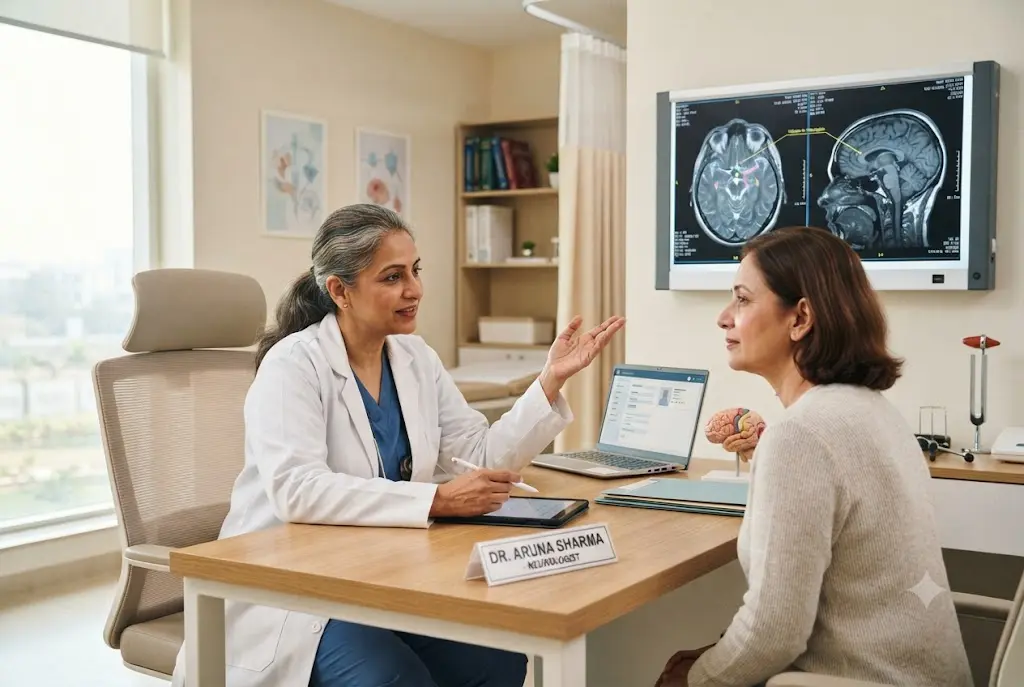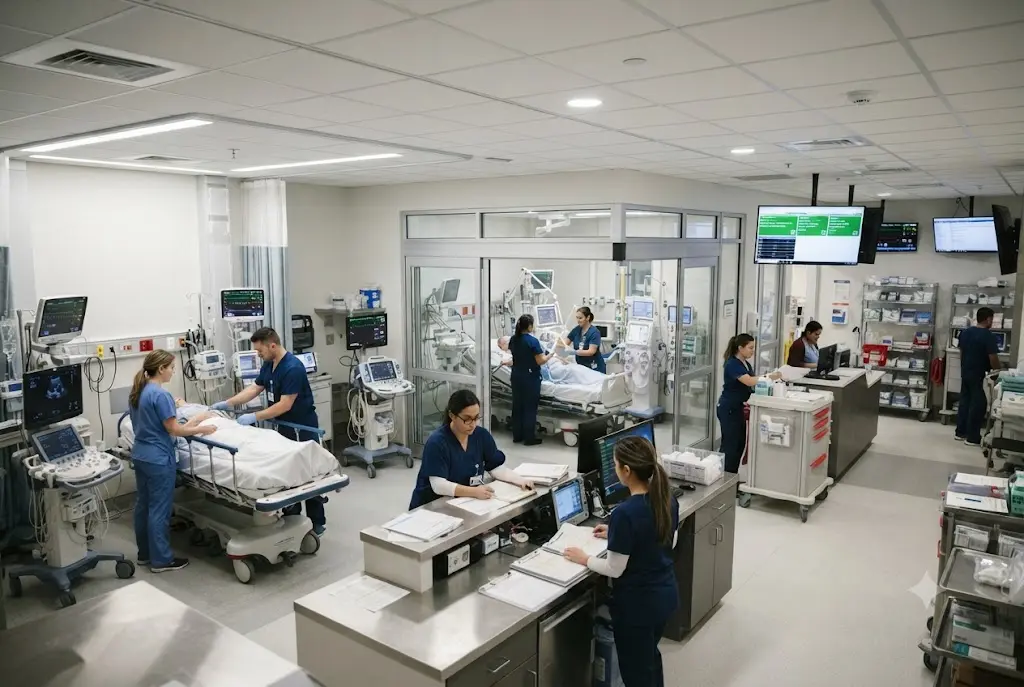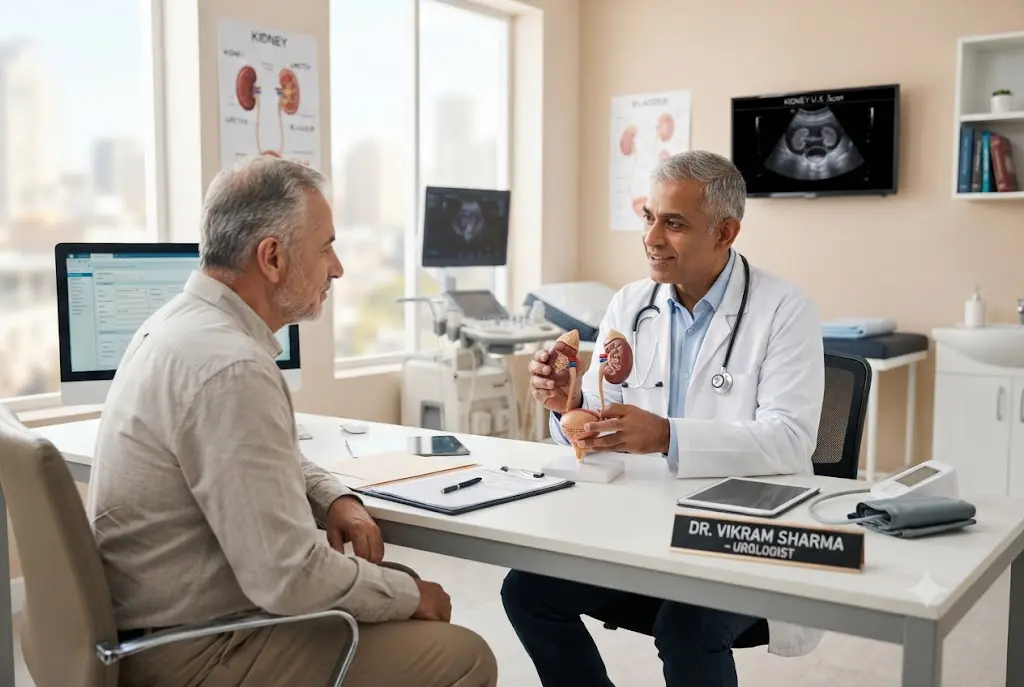
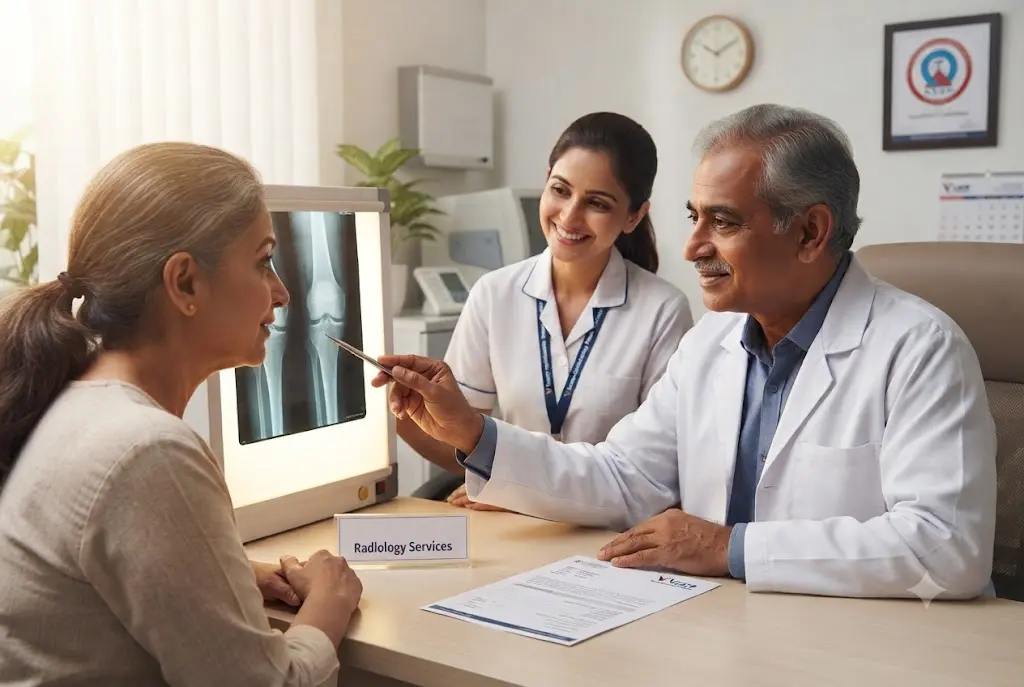
Your doctor looks at your report, pauses, and says, “Let’s get a scan done.” Suddenly your mind is racing. What kind of scan? Is it painful? Is there radiation? And where do you even go for it?
If those questions sound familiar, you’re in good company. For many families across Mira Road, Naya Nagar, and Bhayander, the word “radiology” feels intimidating a world of big machines and unfamiliar terms. But once you understand what these scans actually do, the whole thing becomes far less scary.
Let’s walk through radiology services in Mira Road in plain language the common scans, when each is used, whether they’re safe, what affects the cost, and how to choose a centre you can trust.
What Are Radiology Services, Really?
Radiology is simply the use of medical imaging to look inside your body without surgery. Think of it as a way for doctors to see what’s happening beneath the skin bones, organs, tissues, and sometimes blood flow so they can diagnose problems accurately.
A blood test tells your doctor about your body’s chemistry. Imaging gives a picture. Together, they build the full story of your health, which is why a good diagnostic imaging center in Mira Road often works hand in hand with a pathology lab and your treating doctor. The images are captured by trained technicians and interpreted by a radiologist a doctor who specialises in reading scans and spotting what an untrained eye would miss.
The Common Types of Scans, Explained
Not all imaging is the same. Each type answers a different question, which is why your doctor chooses carefully. Here’s what you’ll usually find when looking for imaging and scan services in Mira Road:
- X-ray quick and painless, best for bones. The go-to for fractures, chest and lung checks, and joint problems.
- Ultrasound (sonography) uses sound waves, not radiation. Widely used in pregnancy, and for the abdomen, liver, kidneys, and gallbladder.
- CT scan combines many X-rays into detailed cross-section images. Useful for internal injuries and complex problems.
- MRI uses magnets and radio waves, no radiation. Gives very detailed pictures of soft tissues like the brain, spine, ligaments, and muscles.
- Colour Doppler a special ultrasound that shows blood flow through vessels and the heart.
If you’ve been told you need X-ray and ultrasound in Mira Road, these are usually the most routine and accessible of all imaging tests often the first step before more advanced scans are considered.
When Does a Doctor Recommend Imaging?
Doctors don’t order scans casually. Imaging is usually recommended when:
- A physical exam isn’t enough for example, confirming a suspected fracture.
- Symptoms need a closer look persistent pain, swelling, or discomfort.
- A diagnosis needs confirming such as gallstones, kidney stones, or an internal injury.
- Monitoring an existing condition checking how something is healing or progressing.
- During pregnancy routine ultrasounds track the baby’s growth and health.
In short, imaging turns “we’re not sure” into “now we can see.” It removes guesswork and helps your doctor choose the right treatment with confidence.
Are Scans Safe? Let’s Talk About Radiation
This worry keeps many patients up at night, so let’s be clear about it.
Some scans X-rays and CT scans use a small amount of radiation. The dose in a routine X-ray is very low, and doctors only recommend it when the benefit clearly outweighs the tiny risk. CT scans use more, which is why they’re used more selectively. Other scans use no radiation at all: ultrasound relies on sound waves, and MRI uses magnets which is exactly why ultrasound is the standard choice during pregnancy.
A few honest points worth knowing:
- Always tell the technician if you are, or might be, pregnant.
- Mention any allergies, especially to the contrast dye used in some CT and MRI scans.
- Share any history of kidney problems, as this can affect whether contrast is safe.
A responsible radiology center near me will always ask these questions before your scan. If they don’t, it’s fair to raise them yourself.
How to Prepare for Your Scan
Preparation depends on the scan, but the common ones are:
- Fasting: Some abdominal ultrasounds and CT scans need an empty stomach for a few hours.
- Full bladder: Certain pelvic ultrasounds need you to drink water and hold it beforehand.
- Metal and clothing: For MRI, you’ll remove metal objects and jewellery, and sometimes change into a gown.
- History: Carry your prescription and previous reports so the radiologist has full context.
When you book, simply ask what to do. Good preparation means clearer images and fewer repeat visits.
How to Choose a Reliable Imaging Centre
Quality directly affects your diagnosis, so when choosing where to get your scan, look for:
- A qualified radiologist reading your scan, not just a machine printing an image.
- Well-maintained equipment, since older machines can produce less clear images.
- Trained technicians who position you correctly and follow safety steps.
- Clear, timely reporting your doctor can actually use.
- Transparent pricing, with no hidden add-ons.
A calm, well-run centre offering radiology services in Mira Road that answers your questions patiently is usually a safer choice than one that rushes you through.
What About the Cost?
There’s no single fixed price. The cost of affordable radiology services in Mira Road depends on the type of scan (an X-ray costs far less than an MRI), the body part and number of areas scanned, whether contrast dye is needed, and the equipment used.
Be a little cautious of very low prices advertised without detail, and of centres that keep adding charges later. The goal isn’t the cheapest scan it’s an accurate one at a fair, clearly explained price. For an exact figure, share your prescription with the centre and ask for the total before booking.
Understanding Your Radiology Report
When your report arrives, it may be full of medical terms that sound alarming. Take a breath before you assume the worst.
A radiology report describes what the radiologist observed. Words like “unremarkable” actually mean normal — good news. But even a finding that sounds serious needs to be read in context by your treating doctor, alongside your symptoms and other tests. The golden rule: don’t self-diagnose from a scan report or an internet search. A picture is only one piece of the puzzle let your doctor put it together for you.
When Should You See a Doctor?
Imaging supports medical care; it doesn’t replace it. See a doctor when you have persistent or worsening symptoms like pain, swelling, or breathlessness; when an injury isn’t healing normally; when your report mentions a finding you don’t understand; or when a scan has been recommended and you’re unsure of the next step. If a report worries you, don’t sit with the anxiety alone book a consultation and get it explained properly.
How Vcare Supports Your Diagnostic Journey
For families in Mira Road, Naya Nagar, Bhayander, and across Thane, the hardest part of dealing with tests and scans is often knowing which ones you actually need and what to do once the results are in. This is where a multispeciality hospital genuinely helps.
Vcare Multispeciality Hospital in Mira Road was built around accessible, affordable, patient-first care. Its doctors can help you understand which investigations your condition may call for and interpret your results as part of your overall treatment so a report never leaves you confused and alone. Alongside this, Vcare offers in-house diagnostic services covering pathology, biochemistry, and haematology, with a transparent, no-middlemen approach where every test is priced at its true, fair value, plus a dedicated genetic testing programme for early cancer risk detection and transplant compatibility.
Founded by Dr. Azhar Ali, whose focus is on clear communication and treating every patient like family, the aim is simple: quality care that local families can rely on and afford. Because it’s a multispeciality setup, once your diagnosis is clear you’re guided straight to the right specialist. If you need a particular scan, it’s always worth calling ahead to confirm which diagnostic and imaging services are available.
Conclusion
Scans sound intimidating until you understand them and then they become what they truly are: a helpful, often reassuring tool that lets your doctor see clearly and treat you accurately. Knowing the difference between an X-ray, ultrasound, CT, and MRI, and understanding that many scans carry little or no risk, takes away much of the fear. When you do need imaging, look for a qualified radiologist, good equipment, clear reports, and fair pricing paired with a doctor who explains your results kindly, a stressful moment becomes a confident step forward.
If you’re navigating tests, scans, or a confusing report and want clear guidance, the team at Vcare Multispeciality Hospital is here to help. Visit the hospital at Naya Nagar, Mira Road (East), or call 9076325512 / 9076245512 to book a consultation, understand which investigations you may need, and plan your next step with confidence.
Frequently Asked Questions
1. What are radiology services in Mira Road? Radiology services refer to medical imaging tests like X-rays, ultrasounds, CT scans, and MRIs that let doctors see inside your body without surgery. The images are read by a radiologist to help diagnose and monitor health conditions.
2. What’s the difference between an X-ray, ultrasound, CT, and MRI? An X-ray is best for bones, ultrasound uses sound waves and is common in pregnancy and abdominal checks, a CT scan gives detailed cross-sections using X-rays, and an MRI uses magnets to show soft tissues like the brain and spine in great detail.
3. Are radiology scans safe? Most are very safe. X-rays and CT scans use small, carefully controlled amounts of radiation, while ultrasound and MRI use none. Doctors only recommend a scan when its benefit clearly outweighs any minimal risk.
4. Do I need to prepare before a scan? It depends on the scan. Some abdominal scans need fasting, some pelvic ultrasounds need a full bladder, and MRI requires removing metal objects. Always ask the centre for specific instructions when you book.
5. How do I choose a good diagnostic imaging center in Mira Road? Look for a qualified radiologist, well-maintained equipment, trained technicians, clear and timely reports, and transparent pricing. A centre that answers your questions patiently is usually a safer choice.
6. How much do affordable radiology services in Mira Road cost? There’s no single price — it depends on the type of scan, the body part, whether contrast dye is needed, and the equipment used. An X-ray costs far less than an MRI. Share your prescription and ask for the total before booking.
7. Should I tell the technician if I’m pregnant? Yes, always. Some scans, like X-rays and CT, are usually avoided during pregnancy unless essential. Ultrasound, which uses no radiation, is the standard imaging choice for pregnant women.
8. My scan report has scary-sounding words. Should I worry? Not necessarily. Terms like “unremarkable” actually mean normal, and even serious-sounding findings must be interpreted by your doctor alongside your symptoms. Avoid self-diagnosing from a report or internet search.